
Natural Fiber
Sort by
1 product
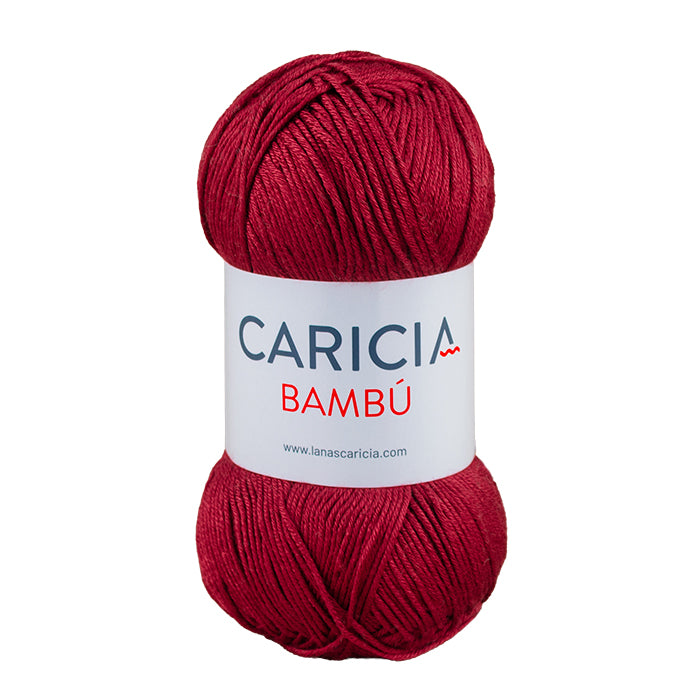
Buy Natural Fiber Yarn
When we talk about natural fiber, we refer to sustainable and functional materials that connect tradition and environmental care. For those of us who enjoy the art of knitting, these fibers represent a conscious and practical choice. They offer a unique combination of quality and respect for the environment. From soft cottons to resistant wools, and options like linen or viscose, each material provides ideal benefits for specific and sustainable projects.
If you are looking to buy natural fiber, this guide will help you choose. Additionally, you will learn how each option can fit perfectly into your projects.
What is natural fiber?
Natural fibers are materials obtained directly from plants—such as cotton and linen—or from animals, such as merino wool. These fibers are not only biodegradable, but also have a lower environmental impact compared to synthetic fibers. By choosing natural fiber, you opt for softness, breathability, and an authentic connection to artisanal processes.
What's more, these fibers adapt to a variety of projects, from light summer garments to decorative accessories. This balance between functionality and aesthetics makes them a preferred choice for those who value artisanal design and responsible consumption.
Some types of natural fiber and their characteristics
Cotton
Cotton, known as the "king of vegetable fibers," is one of the most popular options for knitting due to its softness and durability. Originating from the plant of the same name, it has been used for centuries.
Advantages of cotton:
- Softness: Ideal for garments in direct contact with the skin, such as blankets and baby clothes.
- Durability: Withstands constant use and frequent washing.
- Breathability: Facilitates air circulation, providing freshness.
At Lanas Caricia, our cotton lines, such as Caricia Nature Sport, offer high-quality fibers for outstanding projects.
Merino Wool
Coming from merino sheep, this fiber is famous for its softness and thermal properties. Unlike other wools, it is suitable for sensitive skin.
Key features:
- Thermal regulation: Maintains body temperature in both winter and summer.
- Odor resistance: Absorbs moisture and prevents bacterial growth.
- Elasticity: Retains its shape even after prolonged use.
Perfect for sweaters and winter accessories, merino wool combines comfort and functionality.
Linen
Linen, derived from the plant of the same name, stands out for its resistance and freshness.
Benefits of linen:
- Durability: Ideal for structured projects like tablecloths.
- Breathability: Perfect for summer garments.
- Artisanal style: Provides a rustic and elegant finish.
Inspiration for projects with Lanas Caricia
Exploring creative possibilities with natural fiber is a way to combine sustainability and functionality. Here are some inspiring ideas for knitting projects:
Scarves and Shawls
- Materials: Merino wool.
- Description: Knit scarves or shawls in unique patterns and colors. The softness of merino wool provides warmth and style for winter.
Cushions and Tablecloths
- Materials: Cotton or linen.
- Description: Create decorative cushions or tablecloths. Mercerized cotton provides an attractive sheen, while linen gives a rustic touch.
Summer Clothing
- Materials: Cotton or viscose.
- Description: Design light blouses or dresses for summer. Their freshness and softness are perfect for warm climates.
Baby Accessories
- Materials: Cotton.
- Description: Knit blankets, booties, or hats. Organic cotton is soft and safe for babies' skin.
Storage Baskets
- Materials: Jute.
- Description: Create woven baskets that combine functionality and natural aesthetics.
Home Decor
- Materials: Linen.
- Description: Design curtains, tapestries, or placemats to add elegance and sustainability to your home.
Knitted Toys
- Materials: Soft cotton or wool.
- Description: Create soft dolls and balls ideal for young children.
Experimental Projects
- Materials: Fiber blends.
- Description: Experiment with combinations like wool with silk to create unique pieces with innovative textures.
Frequently asked questions about natural fibers
What are natural fibers and examples?
Natural fibers are filamentous materials of biological origin obtained directly from plant or animal sources. These fibers are characterized by their unique properties and have been used to manufacture textile products for thousands of years.
What differentiates natural fibers from synthetics?
Natural fibers are more sustainable, comfortable, and biodegradable, while synthetics are often less environmentally friendly.
How should I care for my natural fiber garments?
Wash them by hand with cold water and mild detergent. Avoid dryers to extend their lifespan.
Where can I buy quality natural fiber?
At Lanas Caricia, you will find options designed for each type of project.
Natural fiber: the essence of sustainability in the art of knitting
Natural fibers are a sustainable and versatile choice for knitting enthusiasts. By choosing materials such as cotton, merino wool, or linen, you not only opt for quality, but also for environmental responsibility. Buy natural fiber at Lanas Caricia and watch your next project become an environmentally friendly work of art.