Buy Autumn and Winter Wool
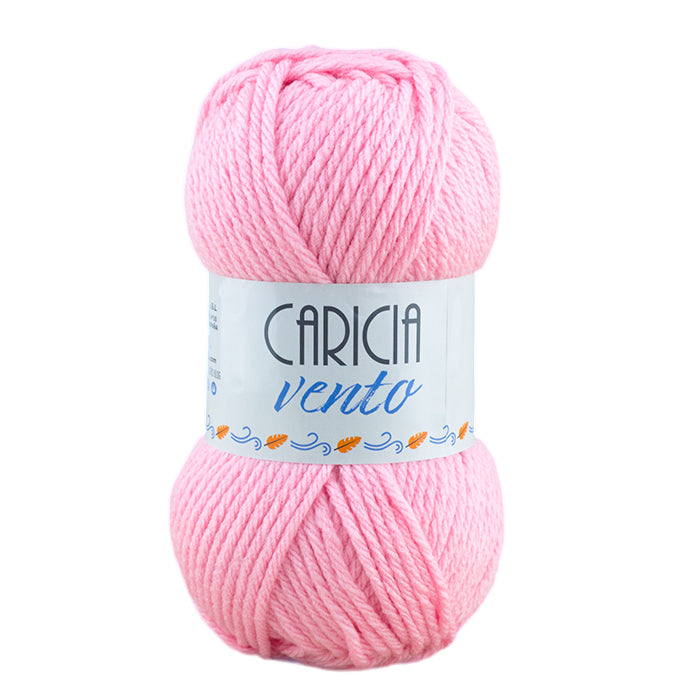
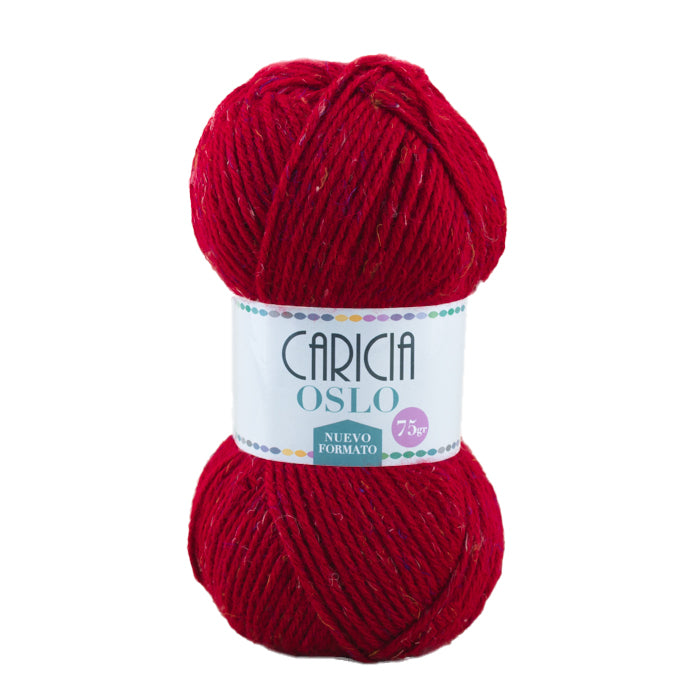
At Lanas Caricia, we are passionate about accompanying you every season with the best options for your knitting projects. With the arrival of the colder months, choosing the best autumn wool and the best winter wool is key to ensuring warmth, softness, and durability in every garment made.
Low-temperature seasons require materials that not only provide warmth but also offer comfort and resistance. A good choice allows pieces to maintain their structure, texture, and functionality over time. Furthermore, selecting the right type of fiber directly influences the wearing experience and the longevity of the design. It is essential to consider:
- The thickness of the fabric.
- The thermal insulation capacity.
- The resistance to humidity.
The chosen material also determines the ease of care for the garments. While some fibers require hand washing and air drying, others allow machine washing without compromising their properties.
Ideal Natural and Synthetic Fibers for Cold Weather
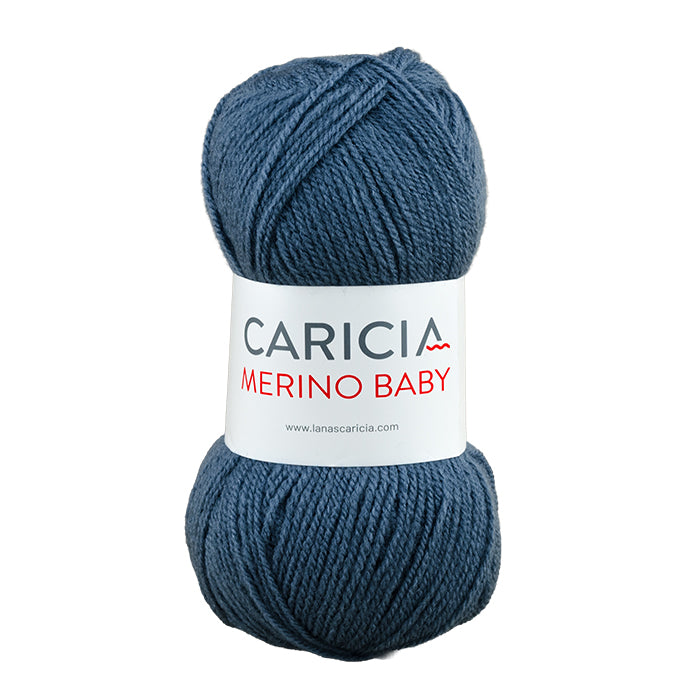
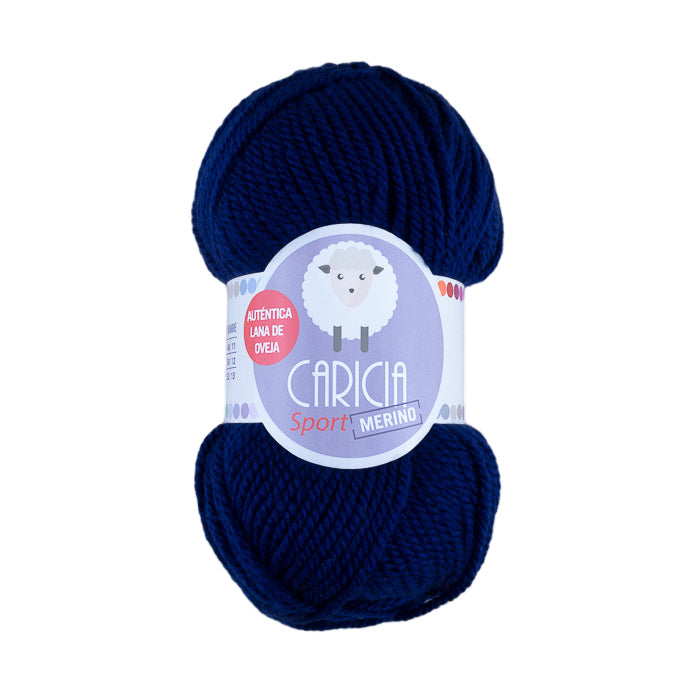
Merino Wool
Coming from the merino sheep, this fiber is highly valued for its softness and thermoregulating capacity. It is an excellent option for garments in direct contact with the skin, such as sweaters, scarves, and thermal underwear.
Main features:
- Natural antibacterial properties that minimize odor formation.
- Elasticity that prevents deformation with continuous use.
- High breathability, allowing sweat to evaporate and preventing a feeling of dampness.
Alpaca Fiber
Originating from the Andes, alpaca fiber is renowned for its lightness, softness, and exceptional thermal capacity. Furthermore, its hypoallergenic nature makes it an ideal alternative for sensitive skin.
Differences from sheep's wool:
- Greater resistance and better thermal insulation.
- Ability to repel moisture without losing its properties.
- Silky texture that improves with continuous use.
Another significant advantage is its natural resistance to pilling, which guarantees greater durability and maintains the original aesthetic of garments for longer.
Blends of Natural and Synthetic Fibers
Combinations of natural materials with synthetic components offer advantages such as greater resistance and elasticity without sacrificing desired warmth and softness.
Benefits of fiber blends:
- Greater longevity without compromising comfort.
- Optimized cost-benefit ratio.
- Ease of maintenance compared to 100% natural fibers.
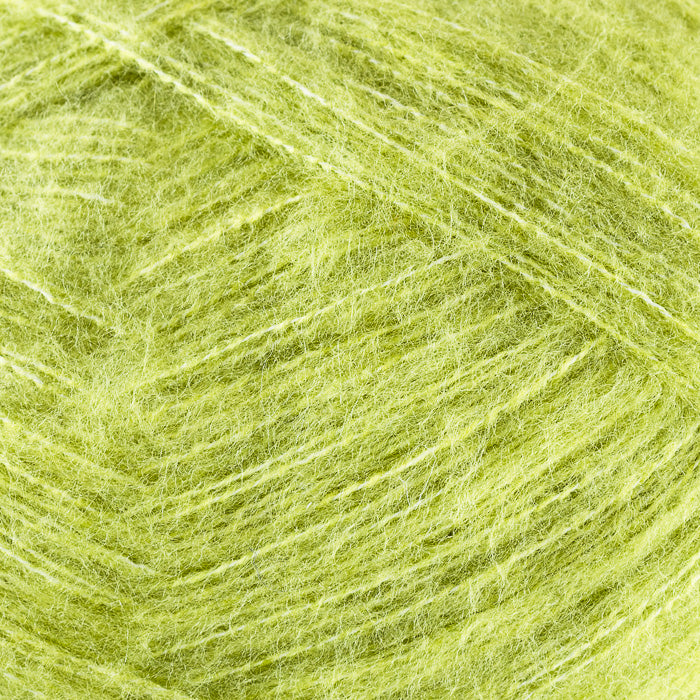
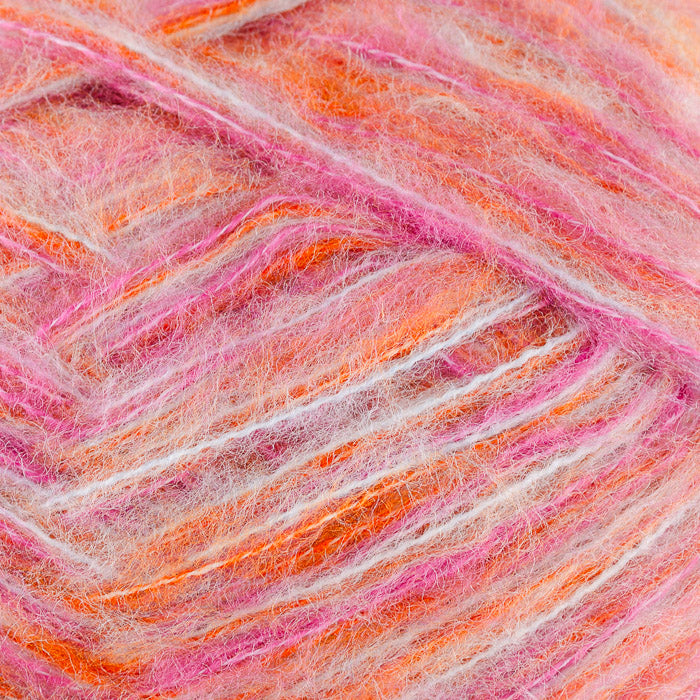
Mohair
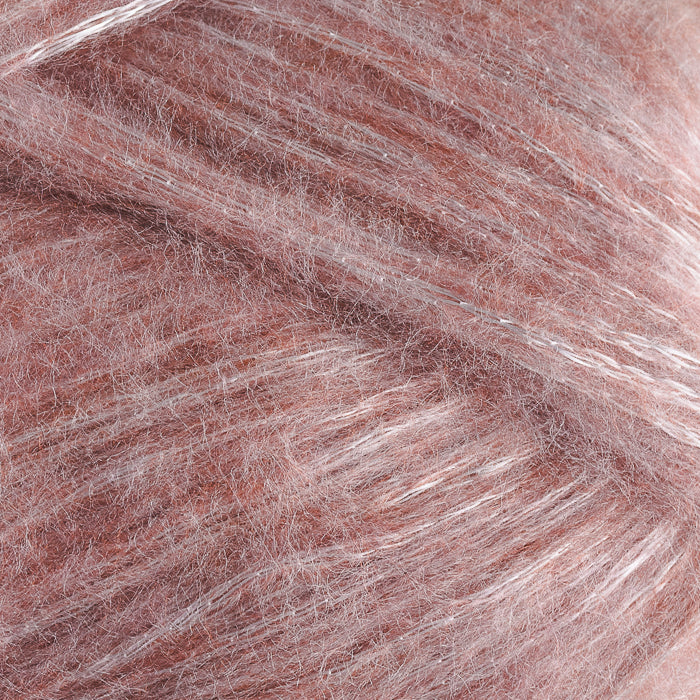
Derived from the Angora goat, mohair is valued for its luxurious and silky texture. Its particular structure reflects light, giving a natural shine to garments made with this fiber.
Main advantages:
- High resistance and elasticity.
- Lightness and fluffiness without sacrificing warmth.
- Ideal for voluminous garments without feeling heavy.
Key factors when selecting wool for Autumn and Winter
- Breathability: Regulates body temperature and prevents overheating.
- Moisture resistance: Maintains warmth even in humid environments.
- Durability: High-quality materials ensure the longevity of garments.
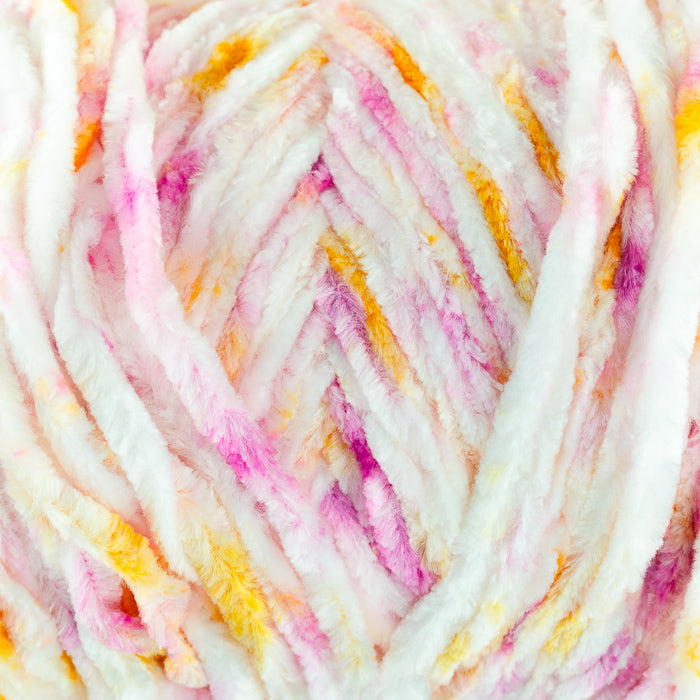
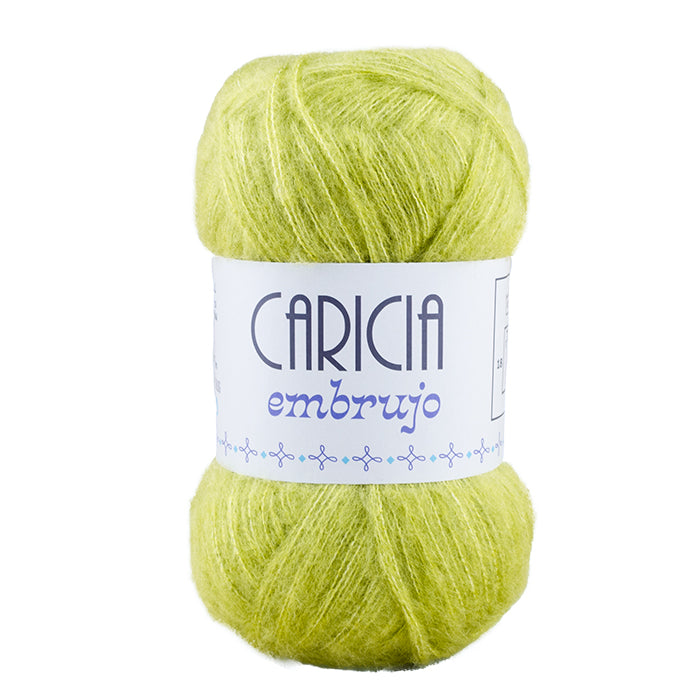
- Comfort and softness: Especially important for clothing in contact with the skin. The Caricia Mariposa wool is a great ally for this season.
- Thermal insulation: Protects against extreme cold and stabilizes body temperature.
- Versatility: Different types of fiber can be used for lightweight or heavy-weight garments.
- Hypoallergenic properties: Varieties such as alpaca and merino are suitable for sensitive skin.
- Ease of care: Some options allow machine washing, facilitating maintenance.
Frequently Asked Questions
What are the main differences between autumn and winter wools?
The differences lie in their thermal properties and weight.
- Autumn wools: Light and versatile, ideal for changing temperatures. Cashmere is an excellent option in this category.
- Winter wools: Designed to offer maximum thermal insulation without compromising aesthetics. Merino wool, angora fiber, and camel wool stand out.
Both options share key characteristics such as breathability, moisture resistance, and temperature regulation.
How do autumn and winter wools differ?
- Autumn wool: Less dense and lighter, ideal for layering and adapting to variable temperatures.
- Winter wool: Thicker and more compact, providing greater thermal insulation capacity.
Both varieties stand out for their breathability and ability to regulate body temperature.
Why is it important to choose the right wool for each season?
Selecting the correct type of wool guarantees comfort and functionality in garments. Each fiber has specific attributes that make it more suitable for certain climatic conditions.
- In autumn: Lightweight wool and cashmere are ideal options for layering, combining elegance and thermal protection.
- In winter: Merino wool is the best alternative for retaining heat without sacrificing comfort, while wool socks help keep feet warm, one of the areas of the body where most heat is lost.
What is the best fiber to stay warm in winter?
Some of the most efficient options are:
- Alpaca: High insulation capacity without excess weight.
- Merino wool: Regulates temperature and prevents moisture accumulation.
- Mohair: Fluffy texture with great thermal capacity.
Selecting the appropriate fiber for each season not only improves the functionality of garments but also elevates their quality and comfort.
At Lanas Caricia, we offer a wide range of options for you to find the ideal material for each project. Whether you need a lightweight fabric for autumn temperatures or a more robust option for winter, we have alternatives that adapt to every need.
Explore our online store and discover our collection of high-quality fibers. Enjoy the experience of knitting with the best materials this season.